616.878.3300
 Byron Center, MI


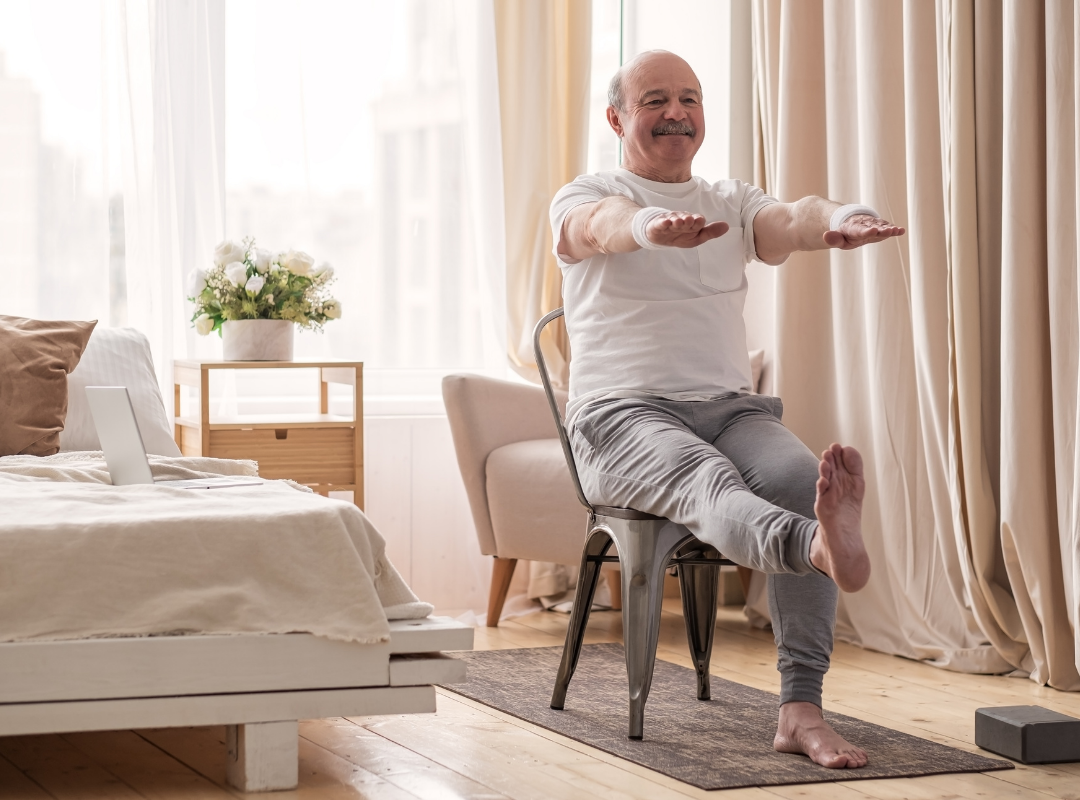
Senior fitness programs give older adults structured ways to build strength, practice balance, support mobility, and stay engaged at a pace that fits their abilities. The right choice may be a group class, a personal routine, an online option, or a mix of activities that feels safe, enjoyable, and realistic.
If you are comparing options for yourself or someone you love, clear guidance can ease the uncertainty. You will learn what these programs include, how to compare formats, and what to consider after age 70 or 75. At Byron Manor in Byron Center, Michigan, exercise and fitness classes are part of community life.
What Are Senior Fitness Programs?
Senior fitness programs are organized classes or routines designed around the abilities, mobility, interests, and wellness goals of older adults. They may include strength, balance, aerobic movement, flexibility, mobility, and social participation. Programs can take place individually, in senior fitness classes, online, or in group settings.
Senior Fitness Programs at a Glance
A well-rounded senior fitness program considers your current ability, personal interests, strength, balance, mobility, consistency, and enjoyment. Exercise programs for older adults should also allow for changes in pace or movement when needed.
Strength, Balance, Mobility, and Everyday Wellness
Physical wellness for seniors can involve several types of movement, with each one supporting a different part of daily life. MedlinePlus guidance on exercise for older adults identifies endurance, strength, balance, and flexibility as the four main types of exercise.
- Strength for standing, reaching, and carrying items
- Balance for steadier, more confident movement
- Aerobic activity for movement and endurance
- Mobility and flexibility for comfortable daily routines
A routine does not need to feel intense to be meaningful. Gardening, walking, stretching, or joining an appropriate group activity may help movement feel like a natural part of your day. Enjoyable activities can also provide social connection. For more ideas about matching daily activities with personal interests, explore What Do Seniors Like? A Daily Living Guide.
How to Choose the Best Senior Fitness Program for Your Needs
The best senior fitness programs fit the person, not just the trend. Think about your current mobility, energy, interests, preferred pace, access needs, and comfort with group activities. You may also want to ask whether movements can be adapted and what type of guidance is available.
| Program Format | May Suit Someone Who | Questions to Ask |
| Group fitness class | Enjoys routine and social interaction | Can the movements be adapted? |
| Individual routine | Prefers a personal pace | Is guidance available when needed? |
| Online class | Wants to participate from home | Is the technology easy to use? |
| Walking or movement group | Enjoys simple, social activity | Does the pace match current ability? |
| Senior living fitness activity | Values convenience and community life | What activities are currently offered? |
Imagine Anna is choosing between an online class and an in-person group. She likes the convenience of exercising at home, but she also values conversation and encouragement. Comparing both choices helps her select the option she is more likely to enjoy and continue.
In Person, Online, or Close to Home: Comparing Your Options
The right format depends on where you feel comfortable participating, how much flexibility you need, and how you prefer to connect with others.
Senior Fitness Programs Near Me
A search for senior fitness programs near me may lead to several options, but convenience is only one factor. Look at travel distance, transportation, schedules, activity levels, the setting, and opportunities to connect with others. Ask whether the class pace and movements can match your current abilities.
Senior Fitness Programs Online
Senior fitness programs online may work well if you prefer participating from home or need more schedule flexibility. Check whether you can clearly see and hear the instructor, whether the technology feels manageable, and whether you have enough open space to move comfortably.
Understanding Program Access and Eligibility
Program access can depend on eligibility, enrollment requirements, and what is included. Confirm whether participation is connected to a health plan, community organization, or another provider. Clear details make it easier to compare the overall experience and value without making assumptions about cost.
Creating a Sustainable Routine After Age 70 or 75
Age alone does not determine the right exercise routine. Your current abilities, mobility, health considerations, energy, previous activity, and personal preferences all shape what feels appropriate. In 2022, an age-adjusted 13.9% of U.S. adults age 65 and older living in the community met both federal aerobic and muscle-strengthening guidelines during leisure time. That figure highlights how challenging it can be to build a routine that feels practical and sustainable.
What Can a 70-Year-Old Do Each Day?
Daily movement may include walking, light stretching, balance practice, gardening, household movement, or another suitable activity. Moving every day does not mean completing a strenuous workout every day. A manageable routine may feel easier to maintain.
How Often Should a Senior Attend the Gym?
There is no single gym schedule that works for every senior. The CDC’s weekly activity guidance for adults 65 and older includes at least 150 minutes of moderate-intensity aerobic activity, muscle-strengthening activity on 2 or more days, and balance activities. These goals can include gym sessions, senior fitness classes, walking, gardening, and movement at home, based on your abilities and health needs.
Exercise for Seniors Over 75
Exercise for seniors over 75 should match present abilities and allow time for rest and gradual progress. Accessible instruction and adaptable movements can make participation feel more manageable. Speak with an appropriate healthcare professional before beginning or significantly changing a routine when pain, dizziness, injuries, health conditions, or major mobility concerns are present.
Active Living and Social Wellness at Byron Manor
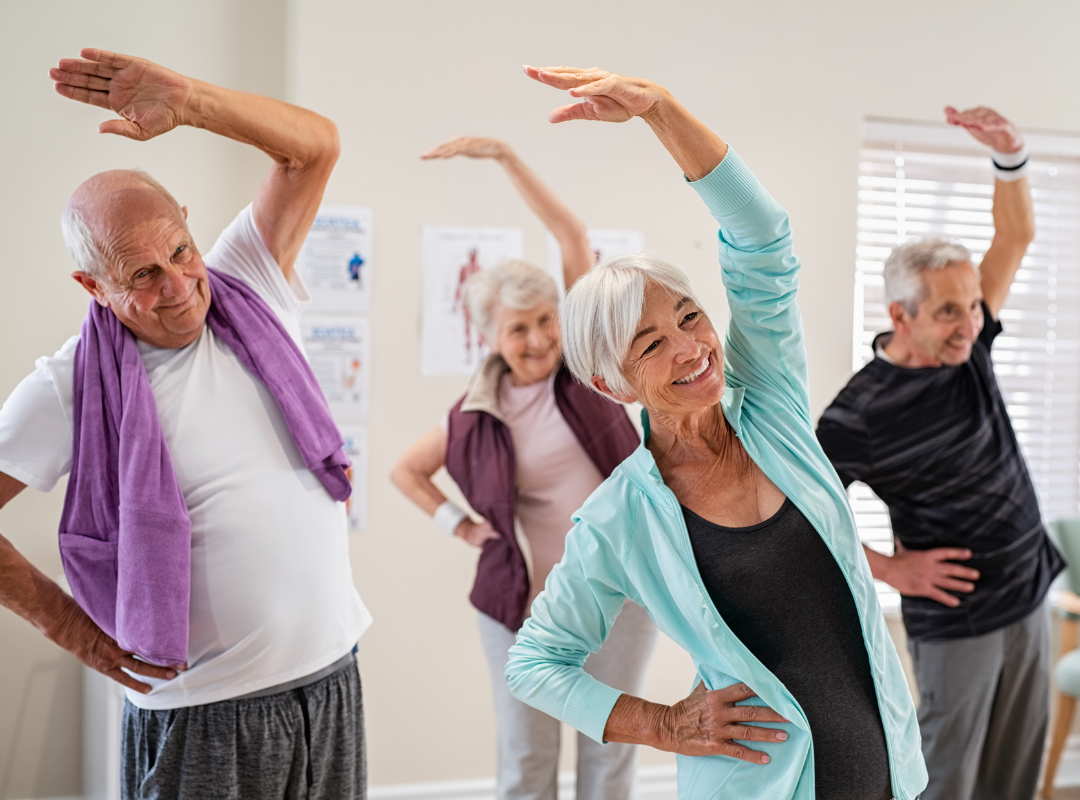
Fitness can be one part of physical wellness for seniors, along with connection, creativity, recreation, and meaningful participation. Byron Manor offers exercise and fitness classes, opportunities to garden, art making, music and movie gatherings, games, and special celebratory events. You can explore these offerings on the amenities and activities page.
Byron Manor provides Independent Living, Assisted Living, and Memory Care at 2115 84th St SW in Byron Center. On-site transportation services and mobility assistance are also available, helping residents receive support with different parts of daily life as needed.
Explore a Lifestyle That Supports Staying Engaged
The right senior fitness program should feel suitable, enjoyable, and realistic for your daily life. As you compare choices, focus on the setting, pace, activities, and support that can help you feel confident about participating.
To see how exercise, social activities, and daily support come together at Byron Manor, you can schedule a tour and explore the community in person. You can also contact us through the website to ask about current fitness classes and available levels of care.
Frequently Asked Questions
What Is the Best Fitness Program for Seniors?
The best fitness program is one that fits the senior’s current abilities, interests, goals, and preferred level of guidance. It should feel manageable enough to continue consistently. A well-rounded routine may include strength, balance, mobility, and aerobic movement. No single program is the best choice for every older adult.
What Exercise Should a 70-Year-Old Do Every Day?
A 70-year-old may benefit from manageable daily movement that fits their health and mobility needs. This could include walking, stretching, balance practice, gardening, or light household movement. Daily activity does not need to be strenuous to feel worthwhile. The routine should be adjusted if discomfort, dizziness, or unusual fatigue occurs.
How Many Days a Week Should a Senior Go to the Gym?
There is no universal number of gym days that suits every senior. Some people may combine gym visits with walking, classes, gardening, or movement at home. Rest and recovery should also be part of the weekly routine. The best schedule is one that matches the person’s ability, energy, and health needs.
What Is the Number One Exercise Seniors Should Do?
There is no single exercise that is best for every senior. Different movements support different needs, including strength, balance, mobility, and endurance. A balanced routine is often more useful than relying on one activity alone. The safest choice should reflect the person’s current abilities and any professional guidance they have received.
When it was time for my Dad to move into Byron Manor he was very uncooperative. However, as of his first day he only had positive feedback! After a bit, his medical needs required more care, so a move from the Independent Living to the Assisted Living was planned. He was fighting that tooth & nail as well, but again he was so very pleased the same day once he was settled. He regularly comments how good & plentiful the food is. He appreciates that they bring him his medications. My family & I have been so grateful for all the staff does. They go above & beyond for us & him.
Jean V