616.878.3300
 Byron Center, MI


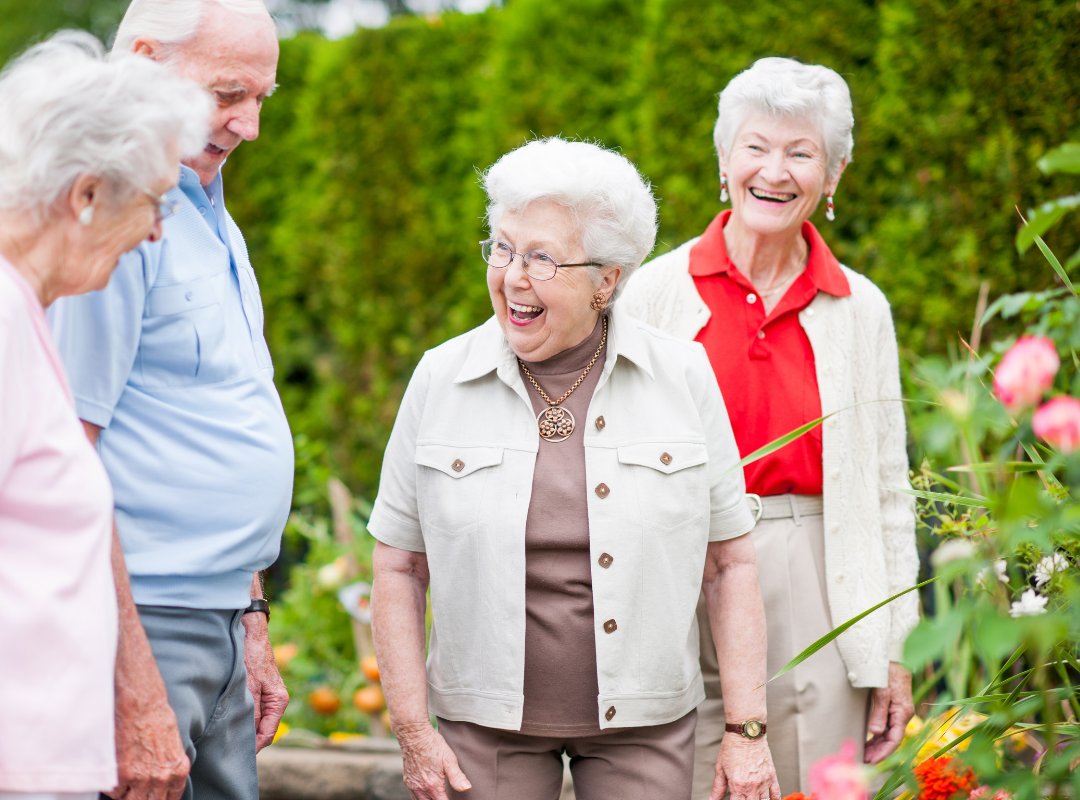
Senior social events bring older adults together through shared interests, conversation, movement, creativity, games, traditions, and celebrations. The most meaningful events do more than fill a calendar. They create regular opportunities to meet people, build friendships, continue favorite routines, and enjoy a stronger sense of purpose in daily life.
The right setting depends on the individual. You may enjoy a lively celebration, while your family member may prefer a smaller art activity or gardening with a few familiar neighbors. Different event formats can support different interests, comfort levels, and ways of connecting.
What Makes a Senior Social Event Meaningful?
A meaningful event gives you a reason to participate and a comfortable way to connect with others. It may center on a shared hobby, a familiar tradition, a creative project, or a simple chance to spend time with neighbors.
Research supports the broader value of social connection, although each person’s experience and level of participation will differ. The Centers for Disease Control and Prevention reports that older adults experiencing social isolation and loneliness have a 29% increased risk of heart disease. The National Institute on Aging also explains that older adults may face a higher risk of loneliness and social isolation as their health and social connections change with age. Community events can create opportunities to form and maintain meaningful relationships, but no single activity offers the same experience for everyone.
Meaningful senior social events often provide:
- A shared interest or goal
- A comfortable level of participation
- Familiar routines and recurring faces
- Personal choice about when and how to join
- A chance to contribute, create, or celebrate
You do not need to be highly outgoing to benefit. An art project, game, movie, or gardening activity gives people a ready-made conversation topic. That structure may feel more comfortable than walking into a room where the only expectation is to socialize.
Senior Social Events for Different Interests and Personalities
The best activity is not always the most popular one. A good fit reflects what you already enjoy, how much structure you prefer, and whether you feel comfortable in a small group or a larger gathering.
For Creativity and Self-Expression
Art making gives you a way to explore ideas, work with your hands, and share the experience with others. The finished project does not need to be the main goal. The creative process itself can encourage conversation and give participants a shared point of interest.
For Movement and Shared Motivation
Exercise and fitness classes can add structure to the day while bringing people together around a common activity. Gardening may also appeal to someone who enjoys movement, nature, or working toward a visible result. A group setting offers a social experience without requiring constant conversation.
For Conversation and Relaxed Socializing
Happy hour, shared dining, and music or movie gatherings can create an easy setting for casual conversation. You can listen, watch, or enjoy a meal while getting to know people gradually. These familiar formats may feel welcoming to someone who is still settling into a new community.
For Tradition, Celebration, and Reflection
Religious observance opportunities and special celebratory events can help preserve meaningful routines and traditions. These gatherings may also create a sense of continuity during a major life change. Shared celebrations bring people together around an occasion, while quieter observances may offer reflection and connection through common values.
For Friendly Competition and Mental Engagement
Bingo and other games provide clear rules and a natural reason to interact. You do not need to think of a conversation starter because the activity already gives everyone something to focus on. Games can be especially approachable for someone who likes structure or friendly competition.
You can review the broader range of amenities at Byron Manor to see how social, creative, recreational, and everyday experiences can fit together.
Which Social Activity Is the Best Fit? A Practical Comparison
The best senior community events match the person, not simply the age group. Consider whether you or your family member enjoys creativity, movement, conversation, familiar traditions, or a clear task.
| Event Type | May Appeal to Someone Who Enjoys | Social Setting | Opportunity It Creates |
| Art making | Creativity and hands-on projects | Small or medium group | Sharing ideas and creating together |
| Exercise and fitness classes | Movement and routine | Structured group | Encouragement and repeated interaction |
| Happy hour | Conversation and casual gatherings | Relaxed social group | Meeting neighbors informally |
| Music and movie gatherings | Entertainment and shared interests | Group gathering | Conversation around a common experience |
| Gardening | Nature and purposeful tasks | Individual or small group | Contributing to a shared space |
| Religious observances | Faith, reflection, and tradition | Shared observance | Connection through common values |
| Bingo and other games | Friendly competition and clear rules | Structured group | Easy, low-pressure interaction |
| Celebratory events | Milestones, traditions, and shared occasions | Larger community gathering | Shared memories and community spirit |
Recurring activities may be especially useful when your goal is to form relationships. Seeing the same people each week creates familiarity. Smaller groups may suit someone who feels reserved, while larger celebrations may appeal to a person who enjoys energy and variety.
It also helps to look for a mix of familiar and new experiences. A favorite game or faith tradition can provide continuity, while an art activity or fitness class may open the door to a new interest.
How Senior Community Events Help Friendships Develop Naturally
Friendships usually grow through repeated, comfortable contact. One event may introduce you to someone, but regular participation gives that connection time to develop.
A simple familiarity-to-friendship pattern often looks like this:
- You attend an activity connected to a shared interest.
- You see some of the same people again.
- Familiar faces make conversation feel more natural.
- Shared experiences lead to personal connection.
- The activity becomes part of a valued social routine.
This process removes the pressure to make friends immediately. You already have something to discuss, whether it is a game, a song, a movie, a garden, or a creative project.
The Administration for Community Living explains that community-based organizations connect people with transportation and social opportunities. This connection matters because an appealing activity only supports participation when a person can reach it and feels comfortable joining in.
Celebratory Events Can Strengthen Community and Personal Identity
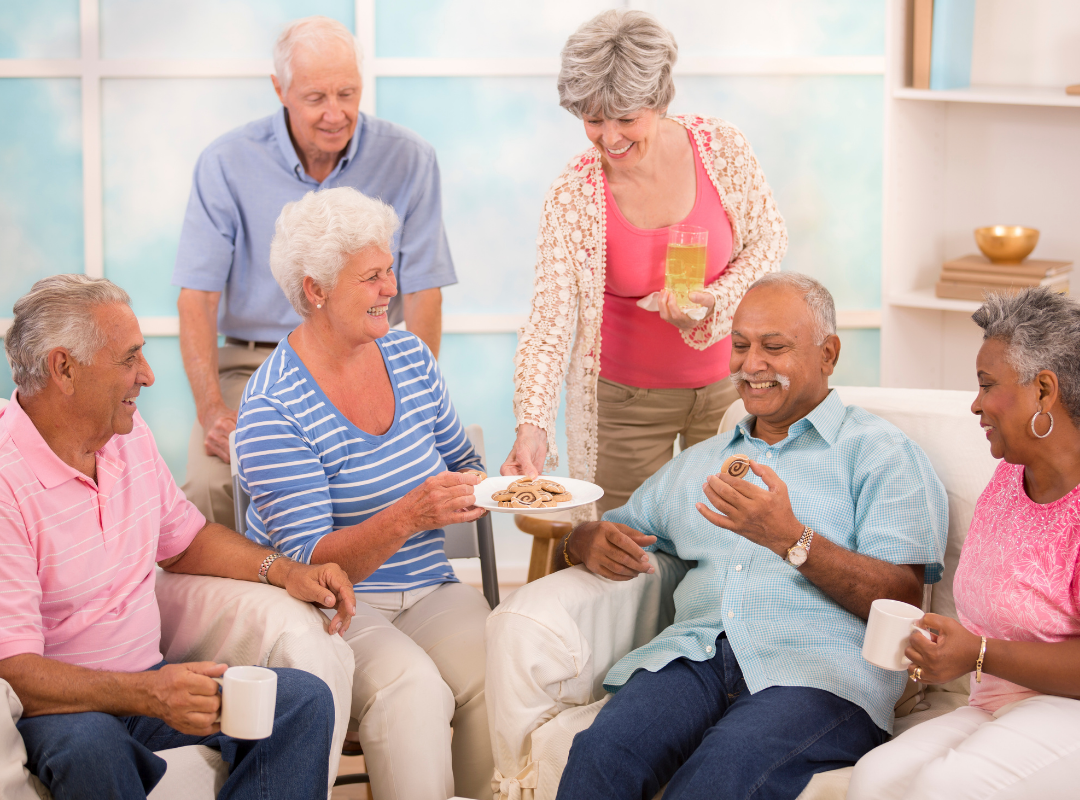
Celebratory events for seniors can create shared moments while honoring the interests and traditions that continue to matter throughout life. They may bring residents together around a special occasion, a familiar observance, or a community gathering.
At Byron Manor in Byron Center, relevant opportunities include special celebratory events, religious observance opportunities, music gatherings, dining, and visitor participation. These options support different ways of connecting. One person may enjoy a larger event filled with music and conversation, while another may value a quieter tradition shared with others.
Visitor participation can also help families remain connected to community life. Joining a gathering may give you a more natural way to spend time together than making every visit feel like a formal check-in. The event becomes something you can experience and discuss as a family.
Why Happy Hour Can Be About More Than Refreshments
Happy hour for seniors in assisted living can provide a relaxed time to meet neighbors and enjoy informal conversation. Its social value comes from the setting and the chance to gather, not simply from what is being served.
A useful happy hour setting allows residents to join at a comfortable level, stay for the amount of time that suits them, and take part without a formal class or structured task. It can also give new residents a chance to recognize several neighbors in one place. Families comparing communities may want to ask how the gathering supports conversation, whether participation is optional, and when visitors may join.
How Families Can Support Social Connection Without Applying Pressure
Families can support involvement by beginning with the person’s existing interests. A suggestion connected to art, faith, gardening, music, movies, games, or dining is more personal than simply telling someone they should socialize.
A quieter approach often works best:
- Suggest one familiar activity at a time.
- Ask which setting feels most comfortable.
- Allow the person to watch before joining.
- Participate as a visitor when appropriate.
- Give new routines and relationships time to develop.
Observation can be a meaningful first step. Someone may attend a movie gathering without speaking much, then feel ready to join a conversation after recognizing the same people at another event.
Avoid measuring success by the number of activities attended. One recurring gathering that feels comfortable may offer more value than a full calendar that feels overwhelming. Byron Manor’s Lifestyle Assessment can help you think through the routines, interests, and experiences that may matter in community life. You can also explore Byron Manor’s senior living resources for more guidance on meaningful routines and community living.
What to Look for When Evaluating a Senior Living Social Calendar
A strong social calendar offers variety, choice, and ways to participate at different comfort levels. It should not assume that every resident wants the same schedule, group size, or kind of interaction.
As you compare communities, ask whether:
- Events include creative, social, spiritual, recreational, and movement-based choices.
- Residents can choose how often and how actively they participate.
- Recurring activities help people become familiar with one another.
- Visitors may join appropriate community activities.
- Shared spaces allow informal interaction outside scheduled events.
Daily support can also affect participation. A person may be interested in an activity but needs transportation, mobility assistance, mealtime assistance, or help with daily tasks to take part comfortably. Housekeeping, laundry services, and grooming assistance may also give residents more time to focus on their preferred routines and community experiences.
The right balance of lifestyle and support may look different in Independent Living, Assisted Living, and Memory Care. You can compare Byron Manor’s levels of care or use the Care Assessment to think through which type of support may fit your family’s needs.
Finding Friendship and Purpose at Byron Manor
The most valuable senior social events give you choice, familiarity, and a reason to return. A varied community experience can include art-making, exercise and fitness classes, special celebrations, happy hours, music and movie gatherings, gardening, bingo, religious observances, shared dining, and time with visitors.
Byron Manor offers Independent Living, Assisted Living, and Memory Care. Schedule a tour to explore the shared spaces, ask about available activities, and decide whether the social environment feels right for you or your family member. For questions before your visit, contact the Byron Manor team.
Frequently Asked Questions
What are some social activities for seniors?
Social activities for seniors can include art-making, exercise and fitness classes, gardening, happy hours, music and movie gatherings, religious observances, celebrations, bingo, other games, and shared dining. The best activity depends on the person’s interests and preferred social setting. Some people enjoy larger gatherings, while others prefer a small group with a clear activity. Recurring events can make it easier to recognize people and develop friendships over time.
Where do seniors go to meet new friends?
Seniors may meet new friends at community gatherings, fitness classes, dining spaces, faith-based observances, gardening activities, art sessions, games, and celebrations. Senior living communities can also provide regular opportunities to see familiar people. Shared activities make conversation easier because everyone already has a common interest or experience. Friendships often grow gradually through repeated contact.
What do 70-year-old people do for fun?
People in their 70s engage in a wide range of activities tailored to their interests, abilities, and personalities. Options may include art, exercise, music, movies, gardening, games, celebrations, dining, faith activities, and time with visitors. Age alone does not determine what someone will enjoy. A meaningful activity should match the person’s interests and desired level of social interaction.
What are some fun social activities?
Fun social activities may include group art, fitness classes, gardening, happy hour, movie or music gatherings, bingo, games, community celebrations, religious observances, and shared meals. Activities are often more enjoyable when participation is optional and connected to a genuine interest. Structured events give people a clear way to interact without pressure. A mix of familiar routines and new experiences offers more ways to find a comfortable fit.
When it was time for my Dad to move into Byron Manor he was very uncooperative. However, as of his first day he only had positive feedback! After a bit, his medical needs required more care, so a move from the Independent Living to the Assisted Living was planned. He was fighting that tooth & nail as well, but again he was so very pleased the same day once he was settled. He regularly comments how good & plentiful the food is. He appreciates that they bring him his medications. My family & I have been so grateful for all the staff does. They go above & beyond for us & him.
Jean V